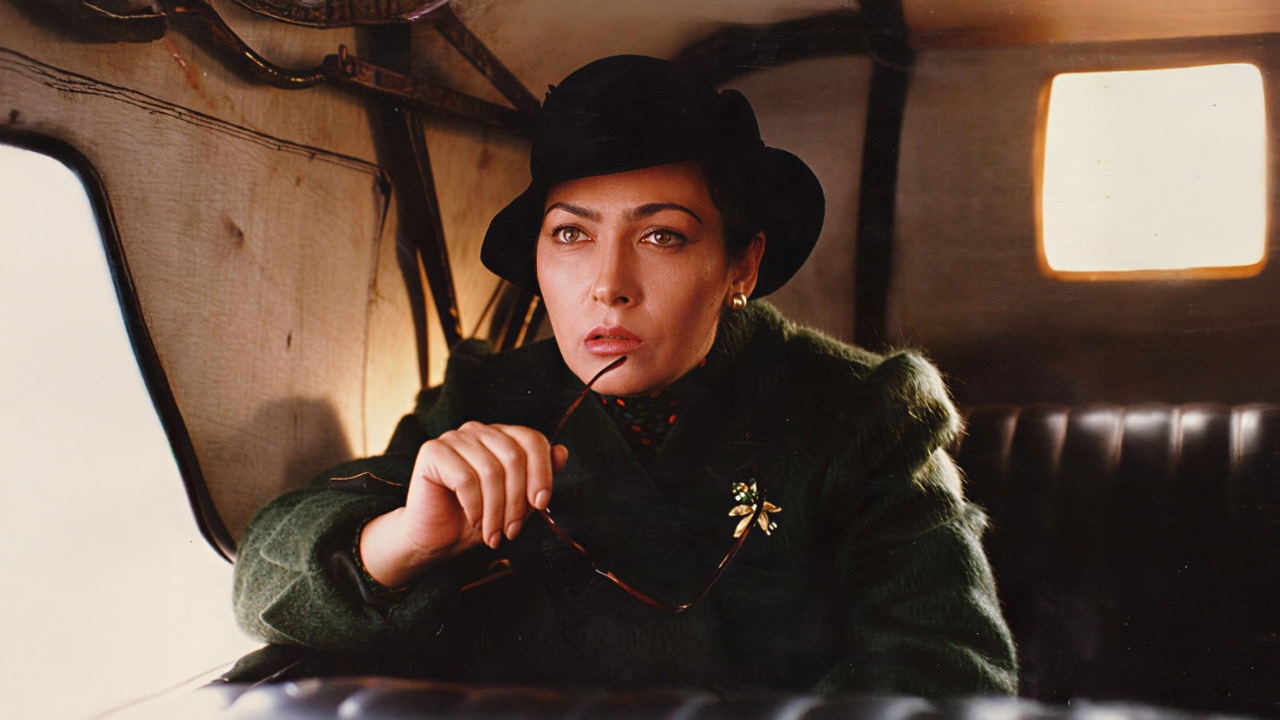
Farimah Farjami was not just an actress; she was a phenomenon. With her distinct “miniature” features, piercing gaze, and commanding presence, she became one of the most influential women in Iranian cinema history. A graduate of the Faculty of Dramatic Arts, Farjami bridged the gap between intellectual theater and mainstream cinema. In this exclusive feature by Seven Skies, we explore the legacy, awards, and iconic roles of this late legend.
From Radio Waves to the Silver Screen
Farjami’s artistic journey began long before her cinematic fame. Fascinated by acting since high school, she started her career as a researcher and editor at the “Center for Arts Studies” and worked in national radio. This background gave her a unique command of voice and dialogue, which later became her signature in film.
Cinematic Achievements and Honors
Farimah Farjami was a trailblazer who redefined the status of actresses in post-revolution Iran. She famously became the first female actor of her era to command a higher salary than her male co-stars, a testament to her box-office power and artistic value.
Awards and Recognition
- Crystal Simorgh for Best Actress: Won at the 9th Fajr Film Festival for her mesmerizing performance as Forough-ol-Zaman in The Last Act (Parde-ye Akhar), directed by Varouzh Karim-Masihi.
- Diploma of Honor: Awarded at the 7th Fajr Film Festival for her role in The Lead (Sarb), directed by Masoud Kimiai.
Her filmography includes masterpieces such as Ali Hatami’s Mother (Madar) and the popular TV series Heroes Die Hard (Pahlevanan Nemimirand).
Analyzing the Roles: A Legacy of Strength
Critics often praise Farjami for her ability to portray complex, multi-layered women. In Masoud Kimiai’s The Red Line (Khat-e Ghermez), she delivered a powerhouse performance that, despite the film’s ban, remains a cult classic among cinephiles.
Although she chose to work less frequently from the late 90s onwards, her rare appearances were always impactful events.
- Last TV Appearance: Brighter Than Silence (2003).
- Final Film Role: Dariush Mehrjui’s LA Minor (2019).
The Masterpiece: “Afagh” in Nargess
If one role were to define Farimah Farjami’s career, it would undoubtedly be “Afagh” in the groundbreaking social drama Nargess (1991), directed by Rakhshan Bani-Etemad.
Why is this role iconic?
In Nargess, Farjami plays Afagh, a woman living with a younger lover, Adel. The character is a study in contradictions:
- She is deeply in love, yet trapped by her circumstances.
- She survives through petty crime but retains a fragile, tragic dignity.
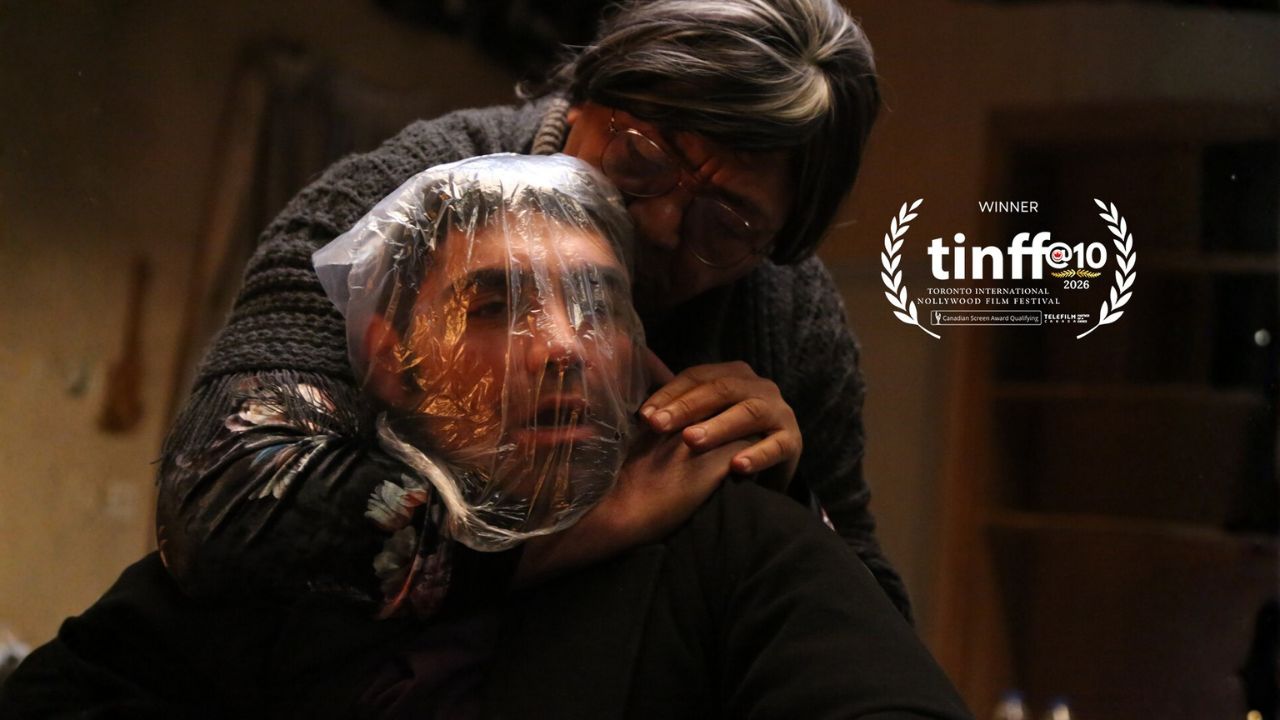
- Her ultimate sacrifice—posing as Adel’s mother to allow him to marry another woman—is one of the most heartbreaking moments in Iranian cinema.
While films like The Blade and Silk and The Tenants showcased her versatility, her performance in Nargess stands as a masterclass in acting, cementing her place as an eternal icon of the screen.