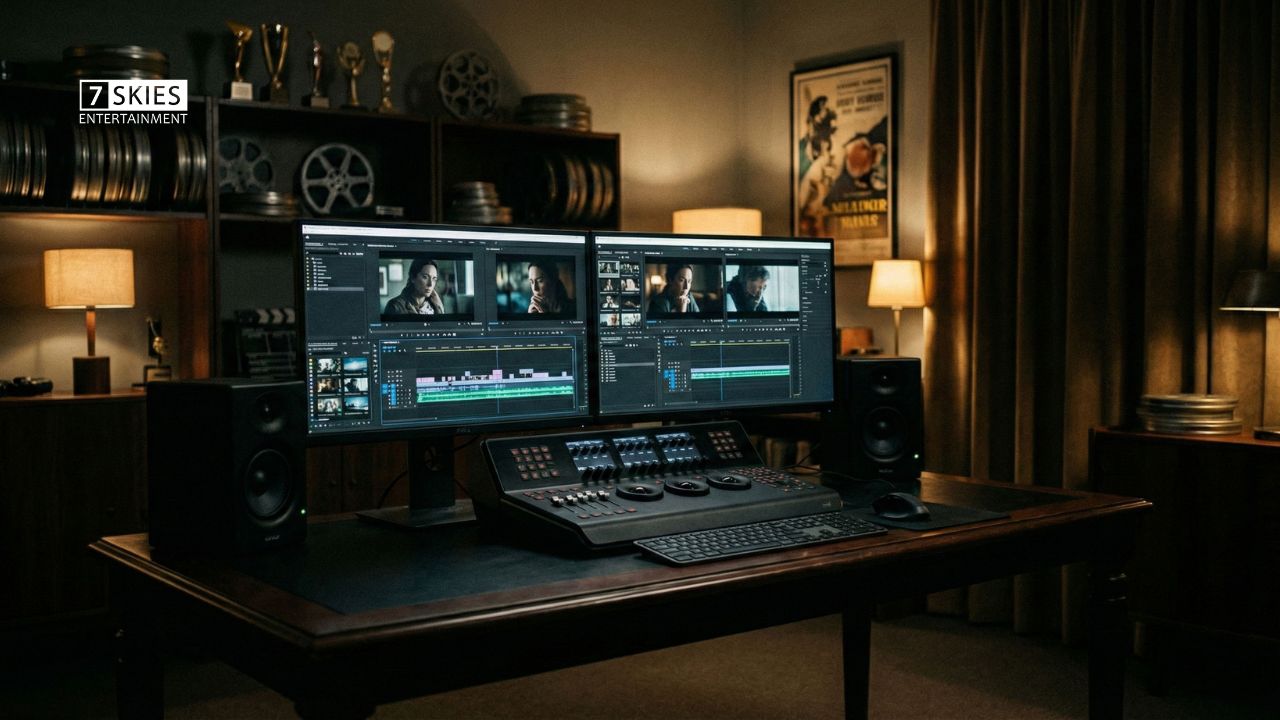
Film editing is the art and craft of selecting, arranging, and assembling moving images to shape a cinematic narrative. Performed by a film editor, this process plays a crucial role in completing the director’s vision by defining rhythm, emotion, and storytelling clarity.
An editor’s creative decisions are often a balance between what best serves the film and what the director and producers require to bring the project to completion. Most aspects of film editing take place during post-production, using physical film reels, digital files, or a combination of both.
Film Editing Before the Digital Era
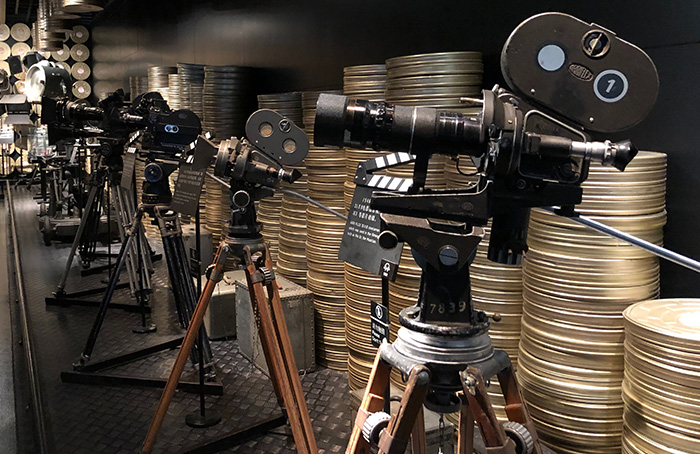
In its earliest form, film editing was a literal process of cutting and joining strips of celluloid. Editors used a technique known as splicing, physically cutting and taping film to construct the final sequence.
Later, flatbed editing machines were introduced, making the cutting and joining of film faster, more accurate, and significantly more efficient.
The Rise of Digital and Non-Linear Editing
Digital technology transformed film editing entirely. Instead of handling physical film, editors began working with digital files on computers. This method, known as non-linear editing (NLE), allows editors to rearrange, modify, and experiment freely without damaging the original footage.
Today, non-linear editing is the industry standard, offering filmmakers unprecedented creative flexibility.
Editor’s Cut, Director’s Cut, and Final Cut
Editors typically begin by assembling an Editor’s Cut, followed by close collaboration with the director to create the Director’s Cut. The process concludes with the Final Cut, approved by the producer.
The Emergence of Film Editing in Iranian Cinema
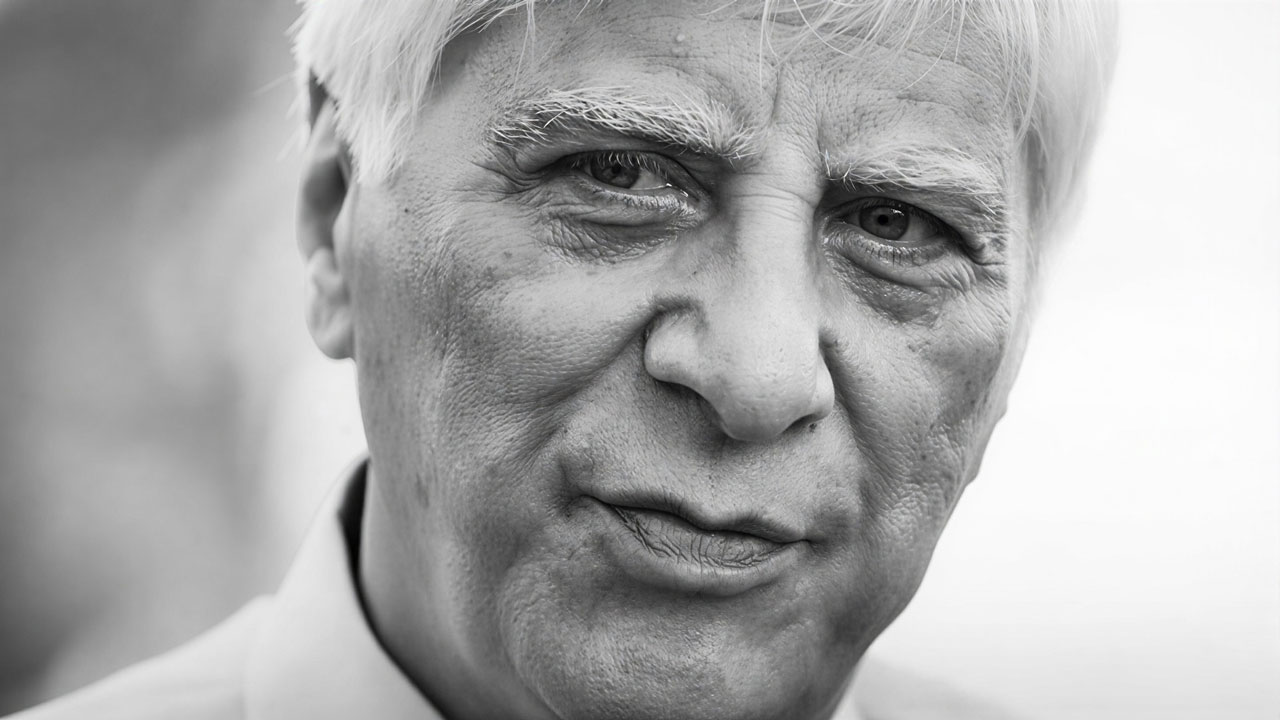
Veteran editor Hassan Ayubi traces the roots of professional film editing in Iran to the years preceding the revolution, when editing was often handled informally.
Editors such as Abbas Ganji and Rouhollah Emami helped establish editing as a serious cinematic discipline in Iran.
Film Festivals and Professional Recognition
The formation of the Fajr International Film Festival and the introduction of a Best Editing award significantly elevated the status of editors within Iranian cinema.
Digital Technology: Opportunity and Challenge
While digital tools lowered entry barriers, professional standards have been preserved through training, mentorship, and collaboration between generations.
Film Editing as a Second Direction
Renowned editor Hassan Hassandoost describes editing as the “second direction” of a film, emphasizing its role in shaping cinematic language.
Cinema was invented through editing. Without editing, cinema as we know it today would not exist.
— Hassan Hassandoost
Conclusion
The evolution of film editing in Iranian cinema reflects a journey from manual, high-risk processes to flexible digital workflows, while preserving the core artistic role of the editor.