You might assume the story of cinema in Iran began in the capital, but history tells a different tale. The first cinema in Iran was born 122 years ago, not in Tehran, but in Tabriz, established by French Catholics. Once considered a “Royal Toy” for the monarchs, cinema traveled a rocky road from the private quarters of Qajar palaces to public halls. In this article from Seven Skies, we explore the birth of the “Seventh Art” in Iran and the curious fate of its first theaters.
The Birth of Cinema in Tabriz: The Rise and Fall of “Cinema Soleil”
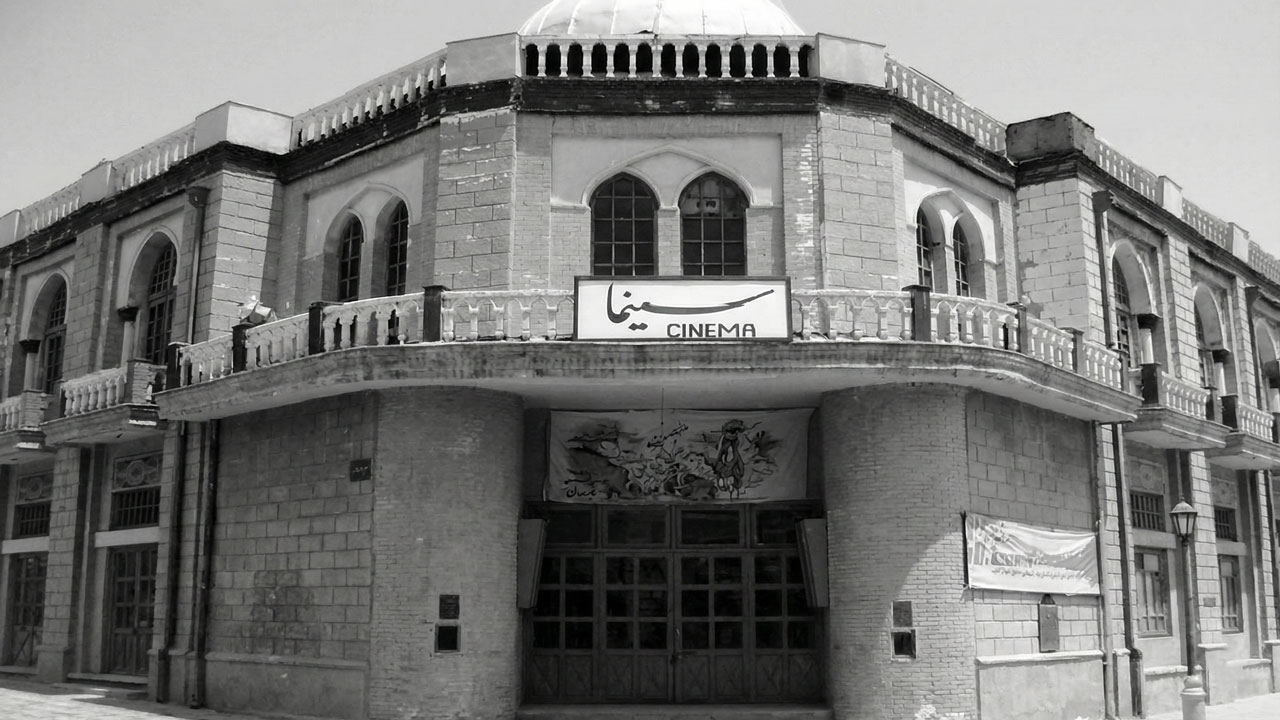
In 1900 (1279 Solar Hijri), just five years after the Lumière brothers invented the cinematograph, Tabriz hosted Iran’s first public cinema. Named “Cinema Soleil” (meaning Sun), it was founded by French Catholics in the Passage district of Tabriz (near present-day Shariati/Shahnaz intersection).
Why Did Cinema Soleil Close?
This small theater, with a capacity of only 100 seats, met a tragic end. Despite initial popularity, two main factors led to its closure in 1916:
- Lack of content: Inability to access new foreign films due to World War I and transportation issues.
- No local production: There was no Persian film production industry at the time.
Unfortunately, no trace of this historic building remains today.
The Cinematograph Arrives in Tehran: A Royal Souvenir
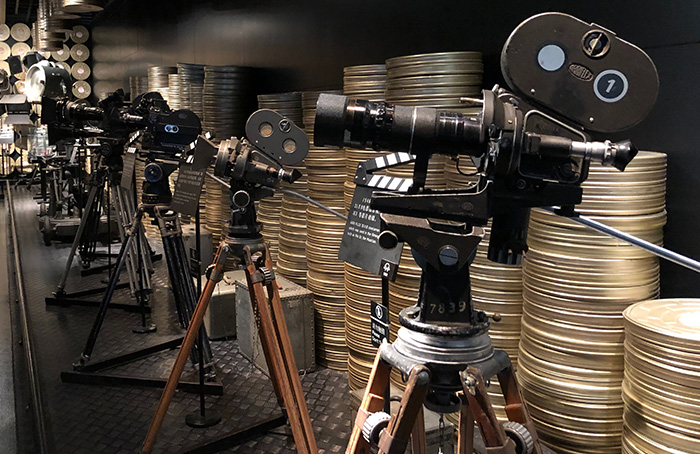
Coinciding with the activities in Tabriz, Mozaffar ad-Din Shah Qajar became fascinated by the magical “Cinematograph” device during one of his visits to France. He ordered the purchase of the first film camera, marking the official entry of cinema into the Iranian Royal Court.
Tehran’s First Cinemas: From Resistance to Long Queues
Two years before the Constitutional Revolution, cinema finally stepped into the streets of Tehran, but not without trouble.
1. Sahhafbashi Cinema (A Short Life of One Month)
In the month of Ramadan 1904 (1283 Solar), Mirza Ebrahim Khan Sahhafbashi, an intellectual constitutionalist, opened Tehran’s first cinema on Cheragh Gaz Street.
- The Challenge: The traditional society of the time could not tolerate moving images (especially rumors about images of women on the screen).
- The Result: The cinema operated for only one month (Ramadan) before being shut down by the order of Mozaffar ad-Din Shah.
2. Russi Khan and the Beginning of Public Acceptance
Some time later, Mehdi Russi Khan (a court servant) began screening films in his photography studio on Ferdowsi Street. The public reception was so overwhelming that he had to rent the adjacent tailor shop and arrange benches to create a real theater hall.
The Expansion: From School Yards to Cafe Boulevard
As the initial taboos were broken, new venues were dedicated to film screenings:
- Zargar Abad Teahouse: Located on Cheragh Gaz Street.
- Darolfonoon School Courtyard: Hosted cinema lovers in the evenings.
- Cafe Boulevard: Located in a garden on the famous Lalehzar Street.
Interestingly, at Cafe Boulevard, the joy of watching a movie was paired with free ice cream or Faloodeh (a traditional Persian frozen dessert). This smart strategy helped cinema gradually transform into a public pastime, paving the way for modern, independent movie theaters in Iran.