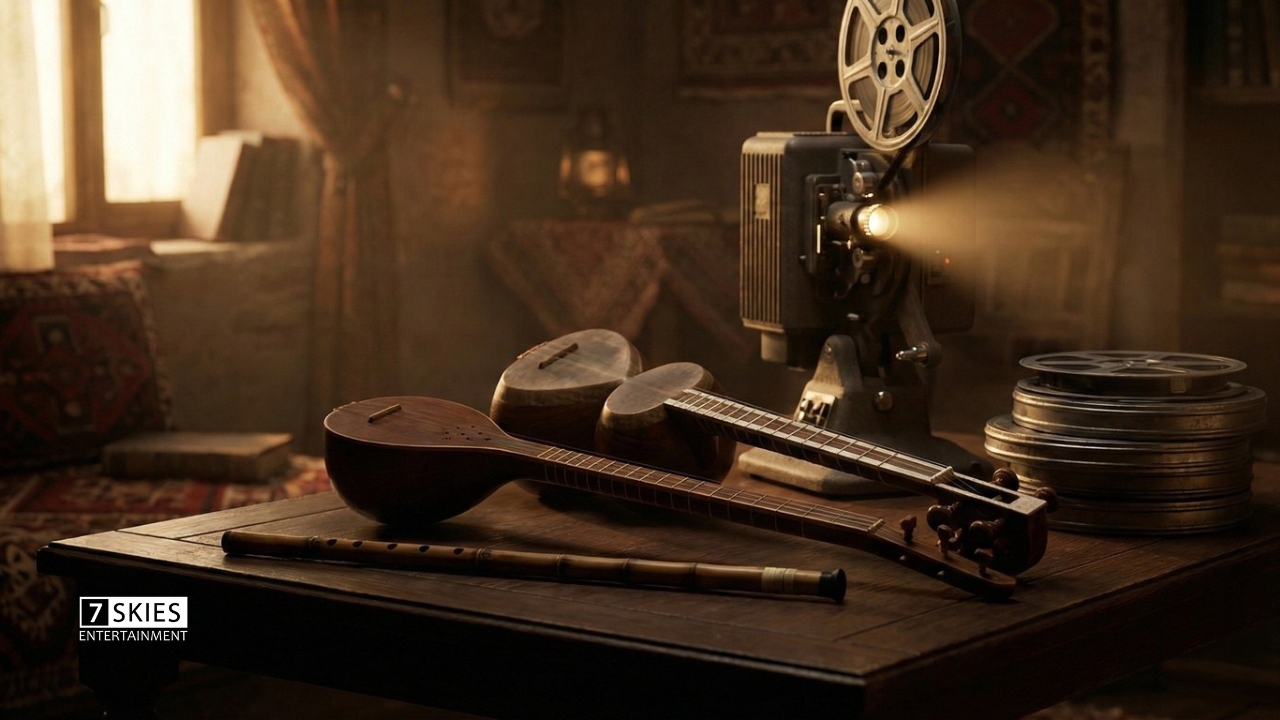
The film score is one of the most influential elements in shaping the emotions of the audience and plays a major role in the overall experience of watching a movie or series. Through the thoughtful use of a film score, a director can enhance excitement, fear, sadness, or anticipation, giving the narrative greater depth. Since every cinematic work includes various narrative components, effective use of music can amplify the emotional impact of each part of the story.
The use of music in cinema is diverse. Some filmmakers employ music to strengthen the atmosphere, while others believe music should directly reflect and describe the visuals. However, many renowned directors argue that music can act as an independent layer of meaning within a film.
Examples such as the collaborations between Eisenstein and Prokofiev, Hitchcock and Bernard Herrmann, and Sergio Leone and Ennio Morricone highlight directors’ awareness of the importance of film score.
In Iranian cinema, long-term collaborations are less common, yet the partnership between Ebrahim Hatamikia and Majid Entezami stands out as a noteworthy example.
Types of Film Music
- Atmospheric Music: Composed based on the film’s mood, helping create feelings such as tension, fear, or emotional depth.
- Background Music: Used to fill space without a specific narrative purpose.
- Character Theme: A musical motif associated with a particular character, reminding viewers of them whenever it is heard.
- Regional Themes: Music tied to a specific cultural or geographical region, such as East Asian or Middle Eastern themes.
- Original Score: Music composed specifically for the film by a dedicated composer.
- Diegetic Music: Music whose source is visible or logically present within the film’s world, like a radio or a character singing.
- Selected Music: Previously composed tracks that the director chooses for narrative or emotional purposes.
Film Music in Iran
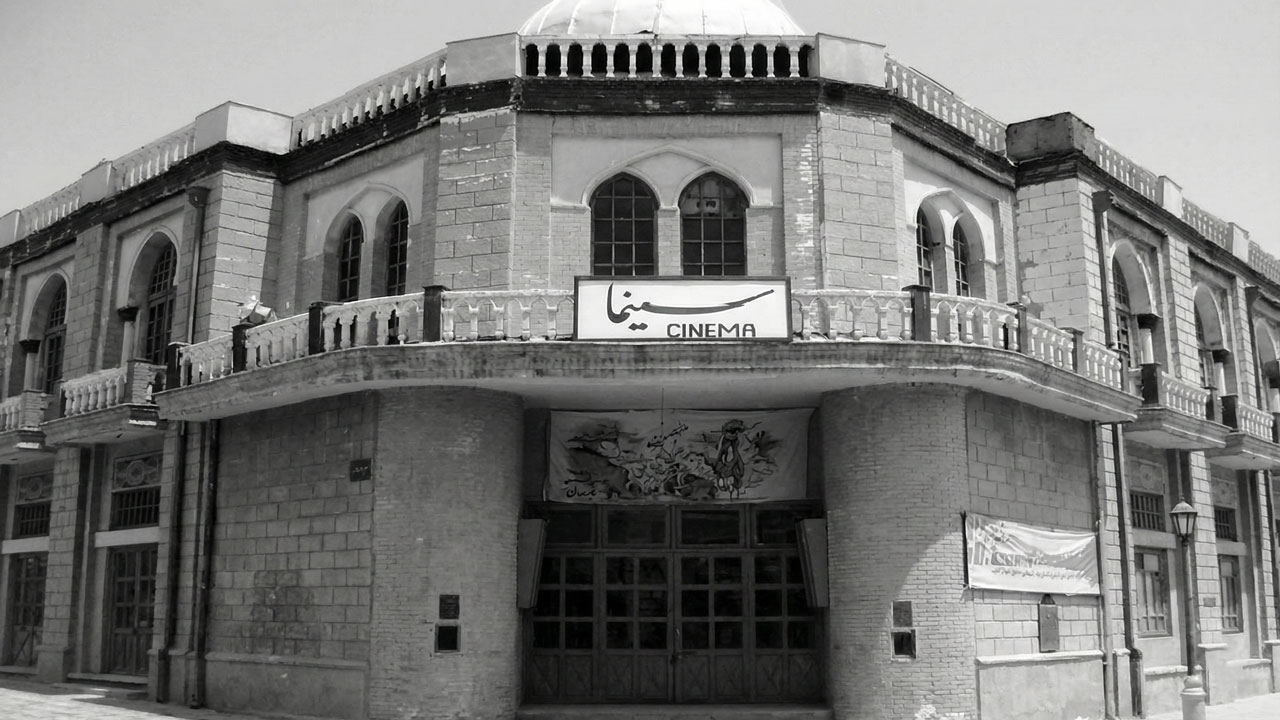
With the arrival of cinema in Iran, early experiences of film music emerged through small ensembles performing Western instruments in private theaters. Although this music often lacked direct relevance to the film’s content, it marked the beginning of Iranian audiences’ exposure to film music.
Gholamreza Javadi writes in his book “Music of Iran” that until the early 1960s, most Iranian film music was selected directly from foreign records.
From the mid-1960s onward, film music in Iran began to take shape as an independent artistic profession. Films such as The Cow with music by Hormoz Farhat and Downpour with music by Sheida Gharchedaghi initiated a significant transformation in this field. Thus, the 1970s can be considered the period of growth and flourishing of Iranian film music.