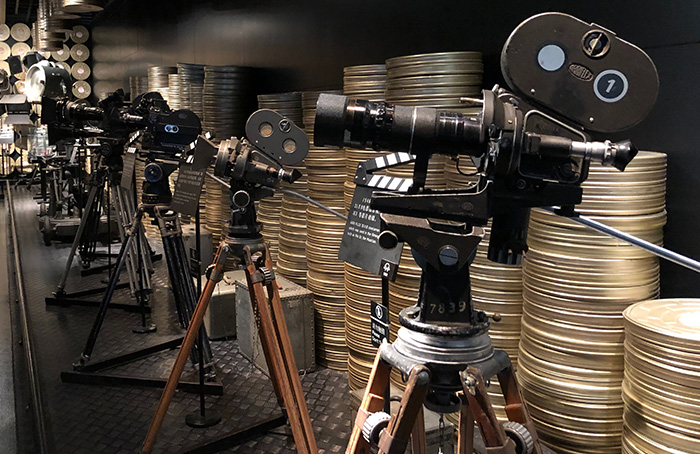
A film score is never merely an accompaniment to moving images; it breathes vitality into the narrative. Across the globe, iconic cinematic compositions regularly transcend their celluloid origins, securing enduring places within the collective memory as standalone works of art.
Origins and Milestones in Iranian Cinema
The genesis of film music in Iran mirrors the early adoption of the cinematograph. While pioneering groundwork trace back to Abdolhossein Sepanta’s Shirin and Farhad (1934), two seminal milestones formally established film scoring as a specialized discipline:
- 1954 (1333 SH): Maestro Morteza Hannaneh broke new ground by composing an original dedicated score for The Tigris (Dejleh).
- 1969 (1348 SH): The premiere of Massoud Kimiai’s landmark feature Qeysar, anchored by Esfandiar Monfaredzadeh’s iconic soundtrack, granted cinematic music unprecedented prestige and structural prominence.
Aesthetic Shifts: From Classical Rigor to Synthesized Sound
Musicologists observe that up until the mid-1980s, Iranian film compositions retained rigorous orchestral craftsmanship. The subsequent emergence of domestic pop sensibilities gradually redirected stylistic priorities toward broader public appeal. By 1989, the advent of electronic synthesizers introduced a new cohort of composers. While this technological leap streamlined production workflows, scholars argue it occasionally undermined authentic textural depth due to a reliance on digital instruments disconnected from regional musical heritage.
Artistic Hurdles: The Perspective of Babak Bayat
The revered late composer Babak Bayat frequently emphasized music’s decisive role in shaping cinematic perception, highlighting two enduring professional challenges:
- Infrastructural Limitations: The historic absence of full-scale live studio orchestras in local production spaces constrained composers from realizing complex orchestral palettes across varied genres, from satire to tragic drama.
- Intuitive Composition: Bayat held that cinematic scoring relies heavily on intuitive discovery; once the primary leitmotif is forged, the composer systematically decodes the thematic cues bridging sound to scene.
“Film music marks the intersection of two distinct artistic disciplines: half its identity derives from musical form, while the other remains inextricably tethered to the physical presence of the film itself.”
Ultimately, cinematic music represents a delicate nexus. As Babak Bayat observed, a score occasionally exists to adorn a scene, but at pivotal moments, it is tasked with rescuing it. Though film composition remains relatively young compared to traditional classical music, its indispensable vitality within cinema remains beyond dispute.